
Presentation
Presentation
Maria João Rosa
Head of Unit
The Urban Water Unit develops research projects and advanced consultancy studies in the urban water cycle and related systems – urban water supply, wastewater and rainwater management, water reuse, as well as industrial water supply and wastewater management, collective irrigation systems, and resource recovery (water, energy, nutrients, wastes) in a circular economy approach.
The activity involves laboratory, inspection, monitoring, and mathematical modelling skills for optimizing installed systems and proposing new solutions (including advanced technologies and nature-based solutions) and is grounded on four pillars:
- Efficient water management and water-energy nexus
- Infrastructure asset management (IAM)
- Water quality, treatment, and reuse
- Reliability, safety, and resilience of urban water systems
Activity
The Urban Water Unit develops, applies, disseminates and provides training in best practices and innovative solutions, and supports the regulation, capacity building and technical standardization (CT90, CEN/TC 164, CEN/TC 165, ISO/TC 224, ISO/TC 251, ISO/TC 282) of the water sector.
Relevant projects
LIFEFitting, ICARIA, UP2030, Water4All, RECIRCULA, NATURELAB, ProÁguas Indústria, ProÁguas Regadio, CML-GC, B-WaterSmart, EMPOWER+, Avaler+, AGIR, RESCCUE, LIFE IMPETUS, LIS-Water, MOLINES
Innovation alliances with water utilities
iAFLUI, iEQTA, iCitage, iPerdas, iGPI
Advanced consultancy studies
- Support to the implementation of the new WWTD - Urban Wastewater Treatment Directive
- IAM - planning & prioritization of interventions and investments
- Control of real and apparent water losses, water-energy efficiency
- Control of undue inflows to the drainage system
- Performance assessment & improvement of DWTP and WWTP
- Risk assessment & management of water reuse
- Indicator systems for assessing the water services quality (ERSAR, ERSARA)
- Assessment of systems resilience
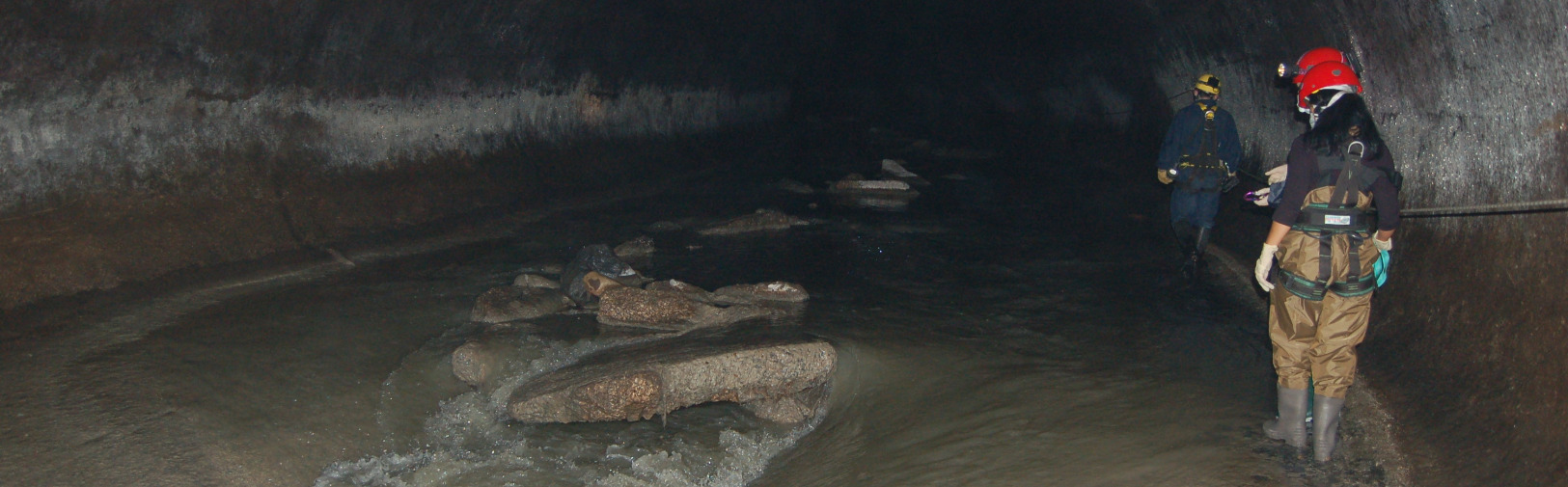
- Inspection of water systems
- Systems hydraulic operation and water quality (regulated and emerging contaminants)
- Smart water management – water & resources efficiency, circular economy, fit-for-purpose water allocation